Understanding the 5 As Framework in Digital Marketing
TL;DR
- This article covers the shift from traditional funnels to the modern 5 As framework for digital transformation. We explore how Aware, Appeal, Ask, Act, and Advocate stages helps brand managers build better customer journeys. You will learn practical ways to optimize each touchpoint for better brand loyalty and roi in a crowded b2b market.
The evolution from the 4 As to the 5 As
Ever wonder why that old sales funnel from your marketing textbooks feels so broken lately? It’s because the way we buy stuff has totally flipped on its head thanks to our phones and the internet.
Before we had the internet in our pockets, marketers used the 4 As framework: Aware, Attitude, Act, and Act Again. It was a simple path where you learn about a brand, form an opinion, buy it, and hopefully buy it again. But that model is pretty outdated now. The traditional AIDA model (Awareness, Interest, Desire, Action) also assumes we all follow a straight line like robots. But in the real world, someone looking for a new car might start at a dealership, jump to a forum, then get distracted by a meme. It's messy.
- Linearity is dead: In industries like retail, a customer might see an ad on Instagram, read fifty reviews, and then buy it three months later. (Has anyone actually ever bought something thanks to an ad for the ...) You can't just force them through a pipe.
- Social Influence: We trust our friends more than a brand's ceo. (Why CEO Behavior Matters More Than Ever - Forbes) A 2023 report by Edelman shows that "vulnerability to misinformation" and peer trust are huge factors in how we choose brands today.
- The Power of "Ask": Instead of just "desiring" a product, we ask our network. Whether it’s a tech stack for a startup or a new healthcare provider, the community makes the decision.
Connectivity means we’re always "on." This has shifted the focus from just getting a sale to building a group of fans who do the selling for you.

In the old days, if you liked a bank, maybe you told your neighbor. Now, one post on X or a reddit thread can make or break a brand's reputation overnight. This connectivity is the heart of why we moved to the 5 As.
Next, we're gonna look at what those 5 As actually are and how they map out.
Breaking down the 5 As framework components
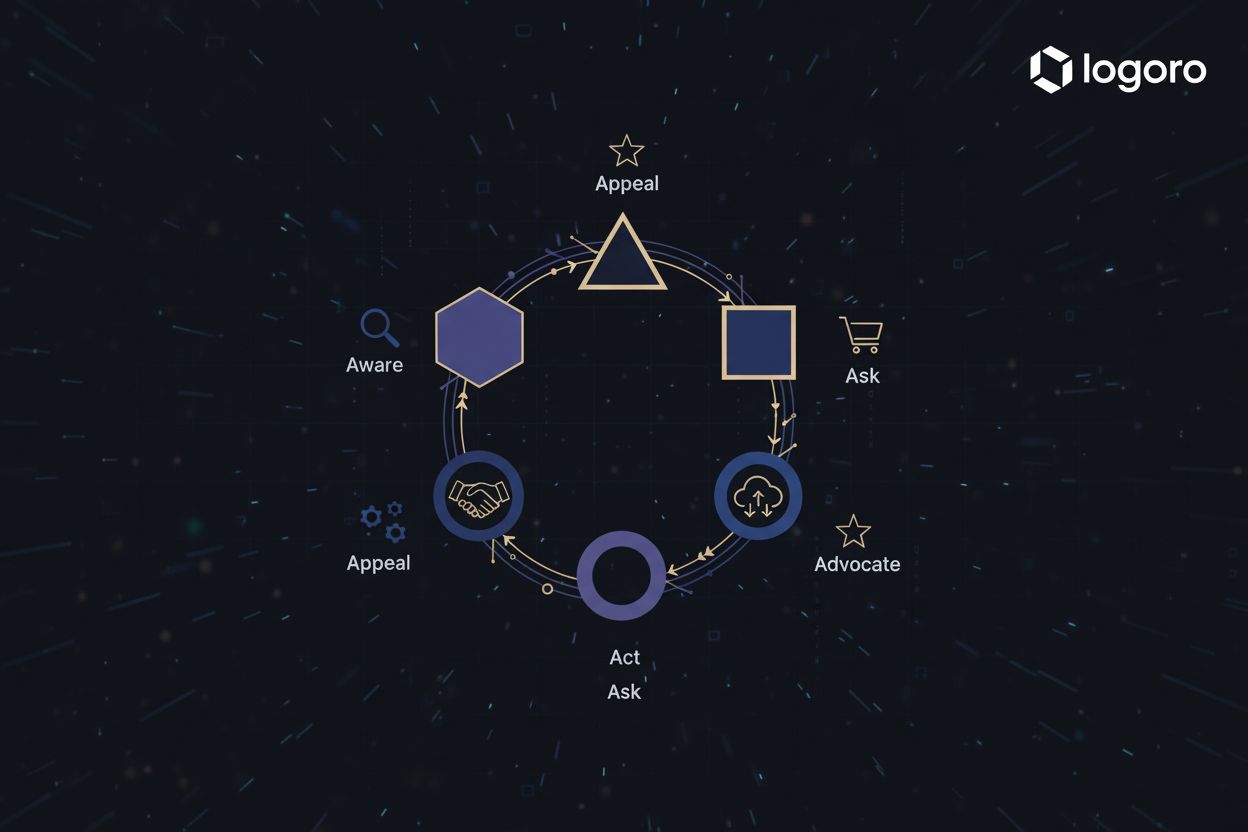
Ever feel like you're shouting into a void when you post brand content? It's probably because the "Aware" and "Appeal" stages are harder to nail than they used to be now that everyone has an attention span of about four seconds. To get it right, you need to understand the full list: Aware, Appeal, Ask, Act, and Advocate.
The first step is Aware. This is where people just find out you exist. It’s not about the sell yet, it's about the "oh hey, what's that?" factor. You might use digital advertising strategies like programmatic ads or just a really good social post.
But being known isn't enough if people don't actually like what they see. That’s the Appeal stage. This is where your brand identity and visual storytelling come in. If your ui/ux design looks like it was made in 2005, people are gonna bounce immediately.
- Visual Storytelling: In retail, this might be a short video showing how a product fits into a lifestyle, not just a static photo of a box.
- Brand Consistency: If you’re a healthcare provider, your tone needs to be steady and trustworthy across your site and your ads, or people get nervous.
- Design Matters: We’ve seen how getdigitize—a digital transformation agency—helps brands stand out by making the user interface feel human and easy to navigate rather than a maze of buttons.
Once someone likes the vibe, they move to Ask. They’re gonna search for you on google or ask a friend. This is why seo and content marketing are huge here. If they search your name and find nothing or—worse—bad reviews, the journey ends.
Then comes the Act stage. This is the big moment. They’ve done the research and now they're clicking "buy" or "sign up." You have to reduce friction here. If the checkout process is a nightmare, you lose them at the finish line.
A 2023 report from Contentsquare shows that 1 in 3 users will leave a site if the digital experience is frustrating, highlighting why optimizing the ui is so vital for the "Act" phase.

In the finance world, the "Ask" phase often happens on forums like reddit. A bank might have a great app (Appeal), but if the "Ask" phase reveals hidden fees mentioned by users, the "Act" never happens.
For a B2B software company, reducing friction in the "Act" stage might mean letting someone try a demo without talking to a salesperson first. It's all about making that transition from "I'm curious" to "I'm a customer" as smooth as possible, which leads us to the final and most important goal: Advocacy.
Moving from Act to Advocate
So you finally got them to hit that buy button, huh? That’s great, but honestly, if you stop there, you’re leaving money—and more importantly, brand power—on the table.
The real magic happens in the Advocate stage. This is where your customers become your best salespeople. I've seen so many brand managers obsess over the first sale but then completely ghost the customer once the credit card clears. That is a huge mistake.
Using martech solutions to track post-purchase behavior is how you stay relevant. If someone buys a high-end espresso machine, don't just send them more ads for the same machine. Send them a "how-to" guide on cleaning it or a discount on some premium beans.
- Email marketing automation: This isn't just about spamming "buy more" emails. It's about retention. Use automation to check in and see how they like the product after two weeks.
- Turning customers into fans: When you solve a problem quickly—like a healthcare provider following up after a messy billing error—you build more trust than if everything had gone perfectly from the start.
- Personalized touchpoints: In the finance world, sending a simple, personalized video explaining a new tax law can turn a casual user into a lifelong advocate.
How do you know if people actually like you? You track the advocate ratio. This is a simple formula: (Number of Advocates / Total Number of Customers). Basically, you want to see what percentage of your buyers are actually out there recommending you to others.
According to Sprout Social in their 2023 index, about 51% of consumers say the most memorable brands are those that respond to customers on social media. That’s a huge roi measurement technique right there—responsiveness equals advocacy.

If your social media engagement is just you talking to yourself, your advocacy is broken. Real success is when your users start answering questions for other potential customers on reddit or X before you even get there.
Next, we’re gonna wrap this all up by looking at how to actually implement this framework without losing your mind.
Implementing the framework in your business roadmap
So, you’ve got the theory down, but how do you actually bake this into your daily grind without breaking the bank or your team's spirit? It's honestly about stoping the "silo" mentality where marketing doesn't talk to it or sales.
You can't track the 5 As if your data is stuck in some dusty legacy system from 2012. Modernizing your tech stack is less about buying every shiny new tool and more about making sure your api connections actually work so data flows from "Aware" to "Act" seamlessly.
- Legacy system modernization: If your crm doesn't talk to your website, you'll never know if a customer "Asked" before they "Acted."
- ai in digital marketing: Use ai to predict which users are likely to move from "Appeal" to "Ask" based on how they browse.
- Personalization at scale: In retail, this means showing a customer the exact boots they looked at, not a generic "we miss you" email.
According to a 2024 report by Salesforce, 75% of marketers are already using ai to automate campaign workflows, which is huge for keeping the 5 As moving while you sleep.
The hardest part isn't the tech, it's the people. You gotta get your team to stop obsessing over "clicks" (Aware) and start caring about "referrals" (Advocate).
- Customer-first thinking: Whether it's healthcare or finance, every department needs to see the journey.
- Innovation labs: Set aside a tiny budget for creative campaign development that focuses just on the "Advocate" stage.

Honestly, just start small. Pick one stage—maybe it's "Ask"—and fix the content there. The rest usually starts falling into place once the data starts making sense.