Understanding Word-of-Mouth Marketing for Businesses
TL;DR
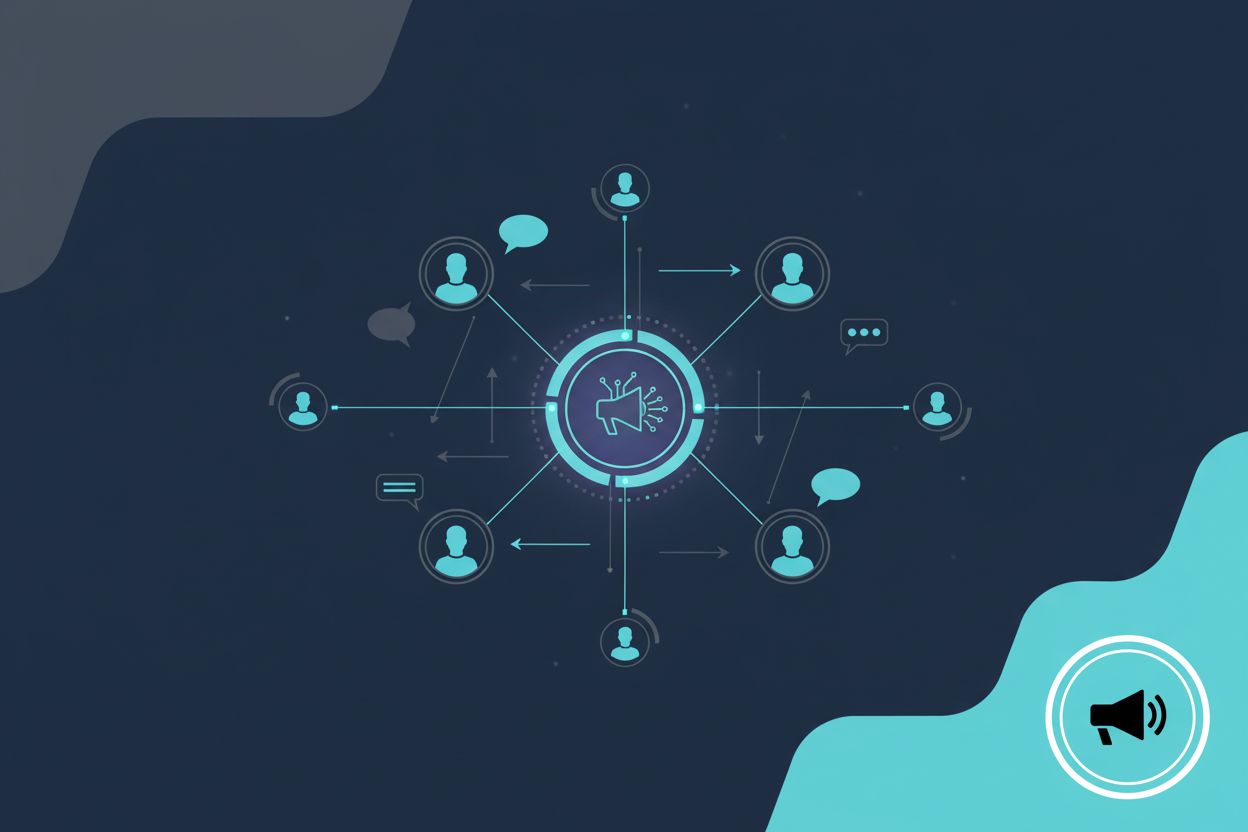
- This article covers why people talking about your brand is still the most powerful way to grow today. It looks at the shift from simple chats to dark social and digital user-generated content for businesses. You will find out how to build a real word-of-mouth strategy that actually works for modern digital brands by focusing on trust and emotional triggers.
What exactly is word-of-mouth marketing now
Ever wonder why you'll drop $100 on a skin cream because a friend mentioned it, but ignore a flashy billboard for the same stuff? It’s because we’re wired to trust people, not logos.
Word-of-mouth used to be just backyard fences and coffee shops. Now, it is a digital beast. According to Investopedia, word-of-mouth marketing (wom) happens when a customer's interest in a product shows up in their daily dialogues—both online and off.
It isn't just organic chatting anymore; smart companies use "seeding" to spark these talks. Think of it like this:
- Organic WOM: You love a new pair of boots and tell your sister.
- Amplified WOM: A brand gives you a referral code to share with that sister so you both get a discount.

In 2025, the "trust gap" is huge. People are tired of being sold to. A 2021 study by Nielsen found that 88% of consumers trust recommendations from people they know more than any other advertising.
"Your biggest marketing asset is your existing customer base," says Yotpo.
This works because it's social proof. Whether it is a b2b software lead or a retail shopper, we look for "triggers"—environmental cues that remind us of a brand—to make decisions. For example, a rainy day might trigger you to mention those waterproof boots you bought.
But how do you actually get people talking without looking desperate? Let's dive into the psychology next.
The psychology behind why we share stuff
Ever wonder why you'll trust a random reddit thread about a toaster more than a million-dollar TV ad? It's because we're biologically programmed to seek out "social currency"—basically, we share things that make us look like the smartest person in the room.
When you tell a friend about a "secret" menu at a local burger joint or a b2b software that actually works, you aren't just being helpful. You're building your own status. People share things that make them look "in the know" or helpful to their peers.
This is why exclusivity works so well in brand positioning. If everyone has it, nobody talks about it. But if you give early access to a select few, those people will shout it from the rooftops because it proves they're part of the "inner circle."
Triggers are just environmental cues that remind us a brand exists. As noted earlier, a rainy day might trigger you to mention waterproof boots. But for that trigger to stick, there has to be an emotional hook.
High-arousal emotions like awe, excitement, or even a bit of anger (the "can you believe this?!" factor) drive way more shares than "content" that's just okay. People share because of this deep emotional trust—it's about how the recommendation makes them feel, not just the facts of the product.

Honestly, if your digital product design doesn't evoke a "wow" moment, it won't get mentioned in the dark social channels like whatsapp or slack where the real talk happens.
But how do you actually get this started? Next, we'll look at the strategies to spark that buzz.
Strategies to spark the buzz for your brand
So, how do we actually get people to stop scrolling and start talking? It’s not about having a massive ad budget—it’s about not being boring and giving your customers a reason to look like the "cool friend" when they mention you.
You can't have word-of-mouth if your service is just okay. People don't tell their friends about "adequate" experiences; they talk about the stuff that blew their hair back. Honestly, if your ui/ux design feels like a maze, nobody is going to recommend your app, no matter how good the actual product is.
- Exceed expectations with tiny details: I'm talking about handwritten notes or surprise samples. A guide by Shopify points out that things like custom packaging inserts or "unboxing" moments turn a boring delivery into something people actually want to film for tiktok.
- Personalization is king: Train your team to remember names or past orders. When a brand feels human, we’re way more likely to do their marketing for them.
- High-touch digital identity: This is where GetDigitize helps out, building those slick digital identities. If the digital journey feels special, it becomes a talking point in itself.
- Handle the heat: You also gotta manage the negative stuff. If someone complains on social media, reply fast and fix it in public. It shows you're human and actually care, which can turn a hater into a fan who tells everyone how great your service is.
Sometimes you gotta give the buzz a little nudge. Referral programs are great because they reward your fans for bringing in their buddies, but you have to be careful not to make it feel like a pyramid scheme.
- Keep it authentic: As ZenBusiness suggests in their strategy list, you should thank people who refer business to you with something practical—maybe a discount or a small gift—but don't over-incentivize. If the reward is too big, the recommendation starts feeling fake.
- Automate with martech: You don't want to be manually tracking every "refer-a-friend" email. Use tools like ReferralCandy or Yotpo (which was mentioned earlier) to handle the heavy lifting.
- Visualizing the loop: The referral loop starts when a customer makes a purchase and gets an incentive to share. Once they share with a friend and that friend buys, both get a reward, which restarts the whole cycle again.

At the end of the day, if you treat people like humans instead of just "conversions," they’ll usually return the favor. But where is all this talking actually happening? Next, we're looking at the rise of dark social.
Digital word-of-mouth and the rise of dark social
Ever wonder why a link your best friend dms you feels like a command to buy, while a flashy instagram ad feels like a fly to swat away? It's 'cause we trust humans, not algorithms, but lately, those humans are talking where brands can't see them.
Most of the "buzz" we talk about isn't happening on public timelines anymore. It’s moving into dark social—private channels like whatsapp, slack, and dms. According to a 2024 report by TINT, over 40% of consumers are huddling into these private communities more than last year. Some industry experts even say dark social accounts for up to 75% of all sharing traffic, which is wild.
- The tracking nightmare: When someone copies a link and texts it, your analytics usually marks it as "direct traffic." You think they typed your url in, but really, a friend just gave you a massive endorsement.
- Utm parameters are your best friend: You gotta use custom links for different platforms. If you don't tag a link specifically for a "whatsapp share" button, you're flying blind.
- Niche over noise: People are ditching big feeds for discord servers and private substacks where the signal-to-noise ratio is actually tolerable.

Professional ads are starting to look like wallpaper—we just don't see them. But a shaky, 15-second unboxing video? That feels real. Short-form video is the king of wom in 2025 because it’s hard to fake that level of excitement.
- Micro-influencers win: Creators with 5k followers often have way more "pull" in a specific niche than a celeb. They're like the "cool older cousin" of brand positioning.
- Seeding over selling: Instead of a stiff contract, just send the product. If it's actually good, they'll post it because it gives them social currency, as previously discussed.
- Community power: I've seen brands like Graza explode just by being "present" in food groups without acting like a corporate bot.
Honestly, if people aren't talking about you in a private slack channel, your digital strategy is probably missing a heartbeat. But how do we actually prove all this invisible chatter is worth the effort? Next, we're diving into the hard numbers and metrics that make sense of the mess.
Measuring if your wom strategy is actually working
So, you’ve got people talking—but is it actually making you any money? Tracking someone’s dinner table conversation is basically impossible unless you’re hiding under the furniture, which I don't recommend for legal reasons.
Instead, we look at the digital breadcrumbs people leave behind. It’s a bit messy, but here is how you can tell if your wom strategy is actually moving the needle.
You can't just rely on "vibes." You need some hard numbers to show the board or your ceo.
- Net Promoter Score (nps): This is a metric that measures how likely customers are to recommend you on a scale of 0-10. Generally, a score above 50 is the "sweet spot" where you know people are actually out there vouching for you.
- Referral Conversion Rate: If you use a referral program, track how many people actually click that "friend" link and buy. It's the most direct way to see the loop in action.
- Customer Lifetime Value (clv): A 2025 study by Invesp found that referred customers have a 16% higher clv. If your new customers are sticking around longer than the ones from paid ads, your wom is working.
Since dark social hides a huge chunk of your traffic—sometimes up to 75% as we mentioned in the last section—you have to get creative with how you attribute sales.
- Post-purchase surveys: Honestly, just ask them. A simple "How did you hear about us?" box at checkout catches the stuff that google analytics misses.
- Sentiment Analysis: Use ai tools to scan mentions. It’s not just about if they're talking, but if they're actually happy or just complaining about shipping.

I've seen brands like Graza (the olive oil folks) explode just by tracking these organic spikes after seeding products to creators. If you see a random 200% jump in traffic to a specific page, someone, somewhere, just gave you a shoutout.
But what happens when the buzz goes quiet? Next, we'll wrap things up by looking at how to keep the momentum going long-term.
Common mistakes that kill the buzz
Look, you can have the slickest referral program on the planet, but if your product is actually just "meh," nobody is going to vouch for you. It’s like trying to start a fire with wet wood—it just doesn't happen.
I've seen so many brand managers kill their own buzz by getting too greedy or fake. Here is what usually ruins the vibe:
- Manufacturing "fake" talk: If you try to fake wom growth without a solid product, people smell it a mile away. As mentioned earlier, honesty is the only way to keep trust.
- Bribing too hard: If your referral reward is huge, the recommendation feels like a sales pitch. Friends shouldn't feel like they're being sold to by their own buddies.
- Ghosting the haters: Ignoring bad feedback is a massive mistake. Like I said in the strategies section, you gotta fix the problem publicly so people see you actually care.
- Hiding the payroll: If you don't disclose paid relationships with influencers, you risk alienating everyone when the truth comes out.

Honestly, just keep it real. If you treat people like humans, they'll do the marketing for you. Simple as that.